
THIS REVIEW CONTAINS SPOILERS.
The Voice of Hind Rajab (2025)
Kaouther Ben Hania
Coming out of the theater today, it didn’t feel right to write a review of The Voice of Hind Rajab. I didn’t want my thoughts on trivial things like the performances or the cinematography to distract from the real-life horrors depicted in this movie. After sitting with my feelings on the drive home (from the Angelika in Dallas, where I saw this), I still want to talk about this movie from a narrative and craft perspective. Even though The Voice of Hind Rajab took a true story and dramatized it to alarming effect, this version of the story is still a movie at the end of the day, and I do have thoughts, so let’s get into them.
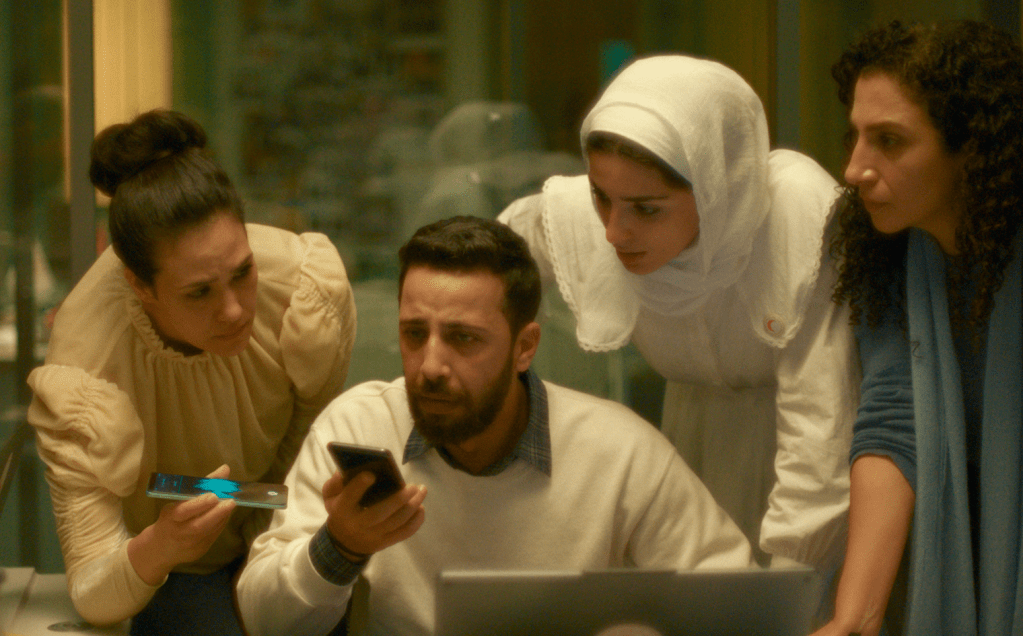
The individual story of Hind Rajab was absolutely heartbreaking, and as a teacher, it was hard not to care for Hanood as if she were one of my students. This was an immensely frustrating watch, especially as Omar continued to remind his coworkers just how close they were to Hanood. I wanted so badly for these workers to dodge the rules and get the ambulance out to her, but it also made sense for Mahdi to go through all of the many, many appropriate channels. What made that back-and-forth even more frustrating was the end result; even when the Red Crescent did everything right, the ambulance and Hanood were attacked. I don’t have a lot of knowledge on the Israel-Palestine conflict, but that evidence seems pretty damning.
Let’s talk briefly about the craft of this movie, because despite it not being remotely the focus, there was plenty of it. First, each of the principal performers were fantastic in their roles, especially Motaz Malhees and Saja Kilani. Malhees held down the first half of the film, but it was Kilani that brought the house down in the second half. Her connection with Hanood was impressive, and I was nearly crying along with her. She was amazing, and I hope she’ll take on some more lighthearted roles in the future, because she’s earned them.
I was also pretty impressed with the direction and cinematography, including the use of real-life audio and video recordings. The audio recordings added a ton of realism and broke my heart, and the scene near the end with the real video recording of the call center was unabashedly pretty cool. Ben Hania also made great use of the film’s single location; each room felt distinct and unique, and the clear hierarchy of rooms (Mahdi’s office holding the most narrative importance at the end) was appreciated. It’s weird to talk about craft in a movie like this, but at the same time I was heartbroken, I was impressed. That’s a hard balance to strike.
The Voice of Hind Rajab appears to have filled the spot at the Oscars reserved for terribly upsetting depictions of current events, a spot that was held last year by No Other Land. While it’s not important who wins the Oscar—getting the message out and demonstrating the horrors is—The Voice of Hind Rajab may have trouble taking home that Oscar this year, being in a category with multiple Best Picture nominees in Sentimental Value and The Secret Agent. Those two movies’ craft have Hind Rajab beat, but no story featured in this category is more important.




 Nate At The Movies
Leave a comment