

THIS REVIEW CONTAINS SPOILERS.
Young Washington (2026)
Jon Erwin
After being on the road for most of last week, I was happy to get back to the theater today, and I barely squeezed in a patriotic watch on this Fourth of July weekend. Young Washington wasn’t really on my radar, and despite Angel Studios not really being my favorite studio, the trailer was interesting enough that I wanted to give it a shot. I was honestly expecting a way-too-politically-charged patriotic snooze, but Young Washington actually had a lot more to offer than I thought. That doesn’t mean it didn’t have its share of missteps, though.
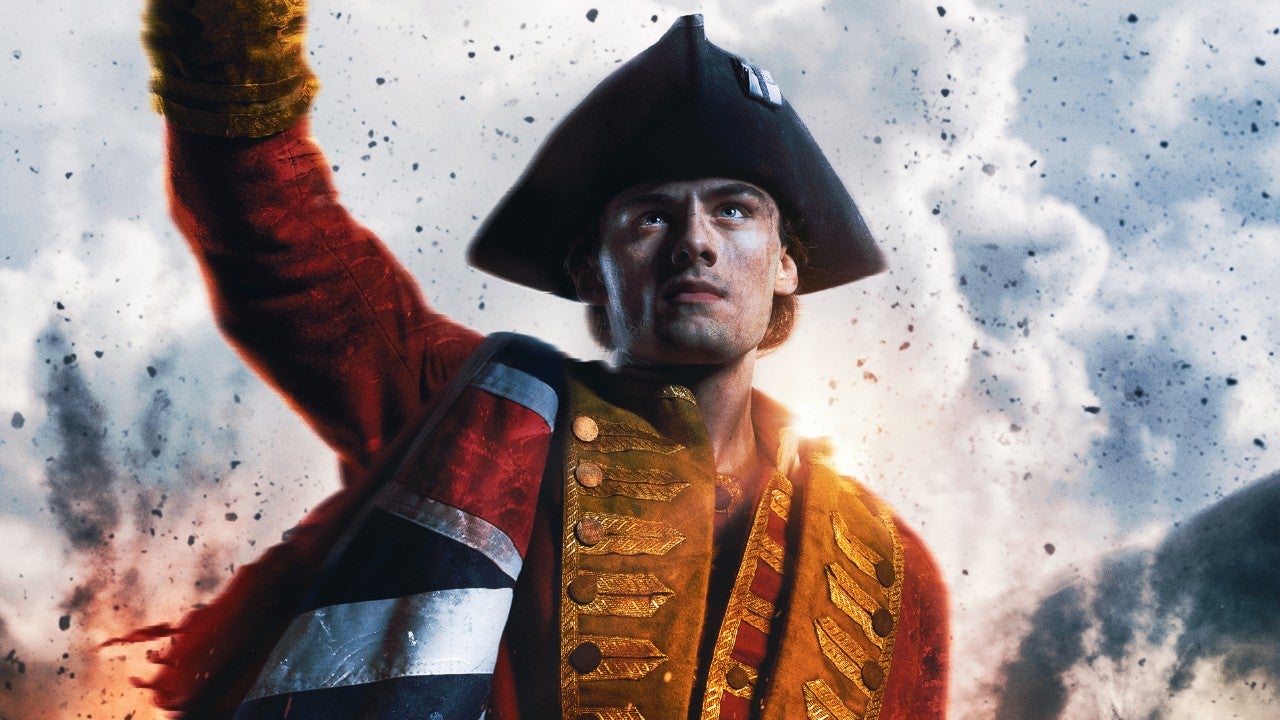
I didn’t know that Young Washington would be covering none of his most iconic moments from the Revolutionary War and beyond—a lack of title comprehension on my part, I think—so I found myself learning a lot about him today. His rise from troubled childhood to militia leader and back down (and up) again was compelling, made so by a solid performance from William Franklyn-Miller. I’m not sure he looked the part of Washington—I don’t have a mental picture of young Washington from history class, just the old guy crossing the Delaware—but the ambition and humility expectant of Washington was plentiful. The performances surrounding him ranged, though I liked the number of Angel mainstays that made an appearance, like Andy Serkis and Kelsey Grammer. Their performances were hit-or-miss, but a familiar face is a familiar face. The accents in particular really went in and out, and too many people sounded way too American for the 1750s.
Usually, Angel Studios botches the solid ideas they have with shoddy visuals, makeshift stories, or forced ideology, but none of that really happened here. The plot was clear and featured considerable growth from Washington, and I didn’t feel ostracized by the movie based on my political beliefs. Where Angel Studios may have stumbled, though, was in its use of AI. I felt proud of myself for being able to detect the AI use in the film, especially in the wide shots and the environments, but it was a bit disheartening to read after the fact just how much Jon Erwin and his team resorted to AI artists for this movie.
I’m going to keep my thoughts on AI brief, though if you’d like to talk more about it, I’d love to. I’m staunchly anti-AI in film, especially when it replaces human expression and performance. Given Angel Studios’ tight budget and lack of resources compared to the major studios, I understand why they resorted to AI artists. However, if Angel learns that they can get away with using AI in their film that hits more than 2,500 theaters in the US, that’ll be a sign to the bigger studios that they can do the same. As far as Young Washington goes, the AI use didn’t make this film worse, but 1) I don’t want to be able to tell that a film used AI, and 2) this is a bad sign of things to come.
Young Washington had just as many good qualities as it did bad, and I’m left in a weird place on how to feel about this movie. Based on the product alone, it was decent and enjoyable, especially for a light movie weekend for adult audiences. It bucked some negative trends that Angel had grown comfortable with over its past few releases, but its AI usage may be inexcusable. Again, its use didn’t make this movie worse, and I totally understand why they did it, but Angel is also a crowdfunded studio of more than two million donors. I bet that if Erwin had reached out to Angel’s contributors and asked for more donations to pay for human visual effects artists, they would have come through. If a studio as small as Angel feels like they can use AI, every studio will, and that’s a slippery slope.


Leave a Reply