


THIS REVIEW CONTAINS SPOILERS.
Teenage Sex and Death at Camp Miasma (2026)
Jane Schoenbrun
If I had a nickel for every 2026 summer movie that used an AC vent as a storytelling device, I’d have two nickels, which isn’t a lot, but it’s weird (nay, absolutely bonkers) that it happened twice. Given my disappointment with I Saw the TV Glow when I saw it in 2024, my expectations for Jane Schoenbrun’s next movie weren’t high, though I was still hopeful. Unfortunately, I came out of Teenage Sex and Death at Camp Miasma today with many similar feelings, though I can admit that both movies were made well and had a ton of potential. I just may not be the right audience.
I Saw the TV Glow lost me in a number of places, mainly in how its plot connected to the subtext, and Teenage Sex and Death at Camp Miasma suffered the same fate. The interplay between the Camp Miasma films and Kris’ own sexual awakening became really confusing really quickly, and I spent so much of the runtime figuring out which parts of the movie were included in the metaphors and which weren’t. I eventually put some pieces together, and I thought Schoenbrun’s perspective on dissociation as a part of the sexual experience was a really interesting one (and, in comparison to Spider-Man: Brand New Day, this AC vent was incorporated more logically and effectively). It simply took me way too long to figure it all out, and it didn’t help that the film lost its accumulated momentum a few times. I’m not a filmmaker, but I don’t think watching the movie-within-your-movie in the movie for a solid 20 minutes was the best idea.
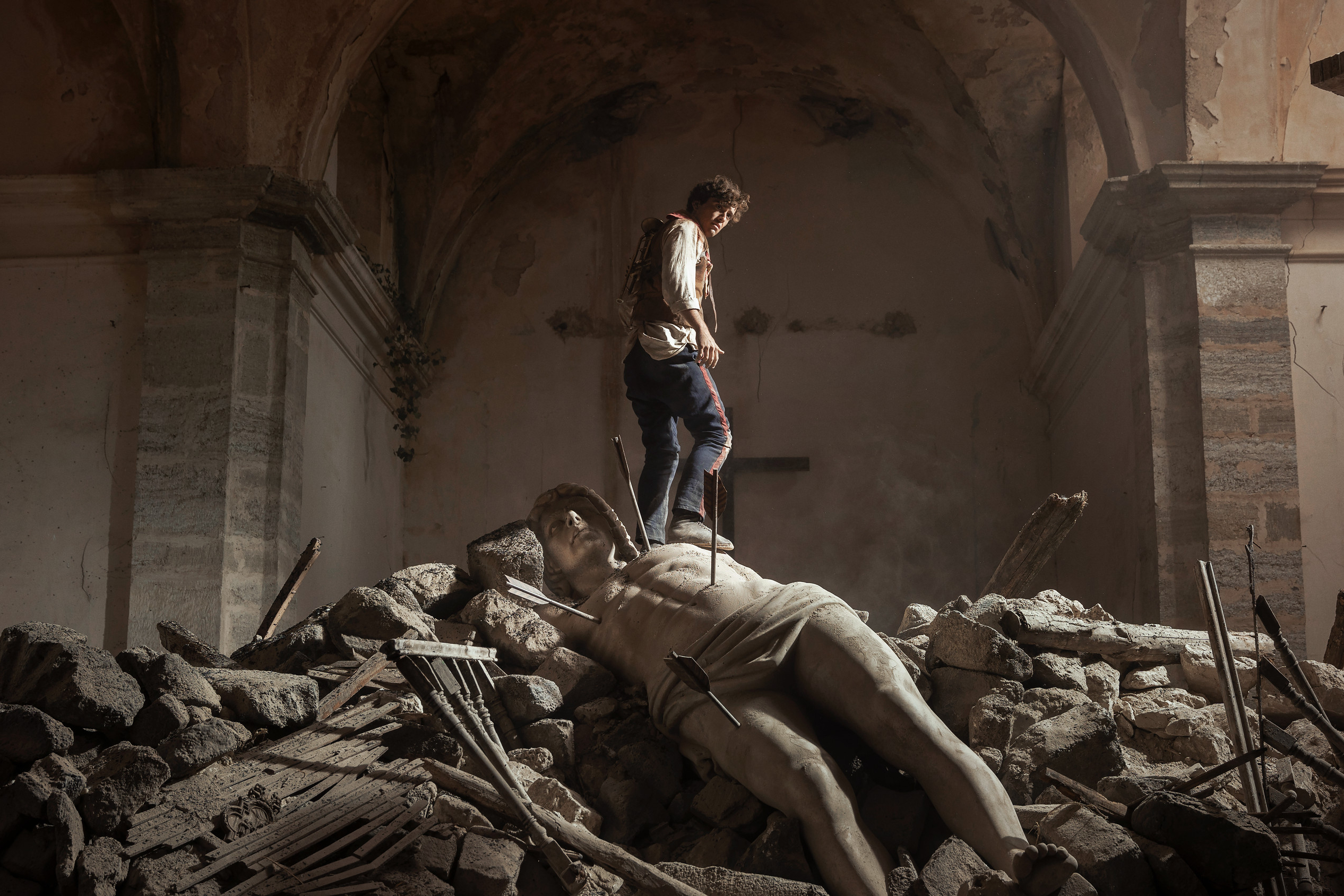
I’m pretty sure I conceded this same point with I Saw the TV Glow, too, but the world of Teenage Sex and Death at Camp Miasma popped. The movie’s intentionally vibrant, maximalist aesthetic was incredibly welcome, I loved the handpainted backdrops, and the movie’s opening credits were maybe some of the best I’ve ever seen. There were a couple times where other visual effects really ruined this look—the CGI used in some kills looked especially bad—but on the whole, I was really digging this movie’s visuals. This also made for back-to-back 2026 releases with awesome music supervision. While I didn’t love the look of the “A Long December” sequence, the needle drop was so good, and it wasn’t the only one. I may not believe Schoenbrun is the storytelling titan that so many others think they are (and they’re totally right to think that; the subtext is laid on thick, and I’m just not getting it all), but I can’t deny their talent for world-building and immersion.
Unfortunately, my biggest takeaway following my second Jane Schoenbrun film was that their movies just aren’t for me. The craft was there, the potential was there, and the pair of lead performances (especially Hannah Einbinder) were strong, but on neither occasion was Schoenbrun able to land the plane for me. Maybe they’re speaking on issues that don’t speak to me, or maybe there really was just too much metaphor to wade through that I couldn’t enjoy the movie. Teenage Sex and Death at Camp Miasma wasn’t the ribbing of the slasher genre that I expected, and even though I’m two years more film-literate than I was the last time I watched one of Schoenbrun’s films, my comprehension of their dense stories still lacked. Teenage Sex and Death at Camp Miasma was, unfortunately—just like I Saw the TV Glow—a beautiful, confident misfire for me. I really hope this one finds its audience, though, because I know there’s a great film in there somewhere. I just didn’t get there.




Leave a Reply