

THIS REVIEW CONTAINS SPOILERS.
You Can See Everything (2026)
Nathan Fielder, Lance Oppenheim
It truly seems like every new October film is hell-bent on making me eat my words about Wildwood being the best release of the month. I watched the first few episodes of The Dropout when it came out, but beyond that, I knew nothing about Elizabeth Holmes or Theranos. I also hadn’t seen any other piece of Nathan Fielder’s work (other than the occasional clip on Instagram) before tonight. My lack of previous knowledge makes You Can See Everything’s accomplishment even more impressive. This was the best documentary I’ve ever seen.
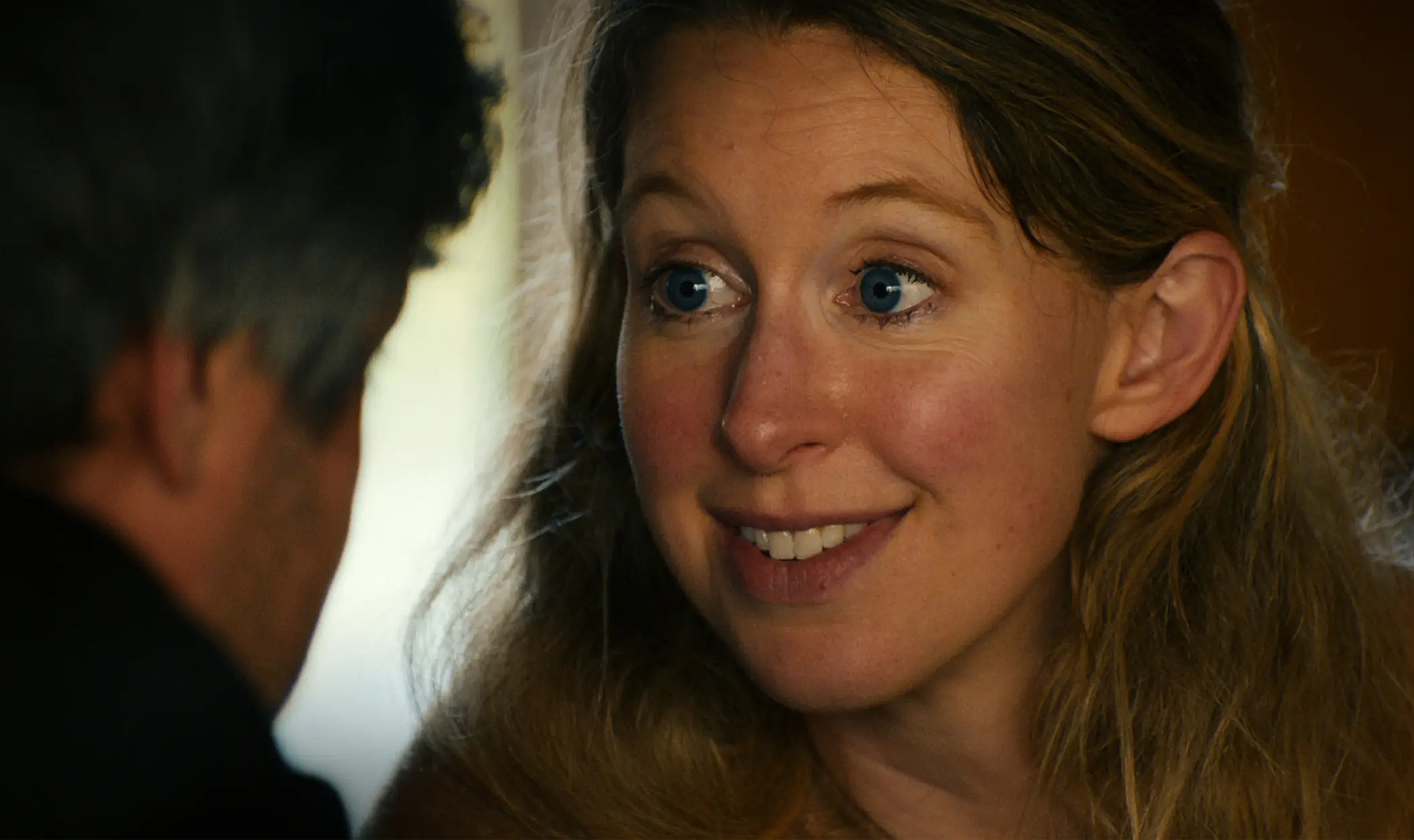
The first half of You Can See Everything was an excellent, albeit mostly structurally predictable documentary, and I was immediately intrigued by the dynamics between Holmes, Fielder, and Billy Evans. All I had gathered from the trailers was that Elizabeth Holmes was a crazy person, and Fielder’s persistent questioning confirmed that. I was most shocked by Holmes’ unwavering belief in her own truth (Fielder responding to Holmes’ claim that she had never lied with “Liz, what?!?” killed me) and her and Billy’s scary shared consciousness idea. In a world where we all wonder what’s true and who can be trusted, watching Holmes play dumb and manipulate incredibly was scary. Luckily, though, Fielder’s probing and direction made the whole affair funny, too. For every psychopathic display from Holmes or Evans, there was a hilarious joke from Fielder (the gag gift? Asking “how was it?” as Liz and Billy came out of the shower? Every extended pause before a basic, emotionless response? Peak).
By the film’s midpoint, I was already really impressed and wondering where the film would go from there (quick tip: go to the bathroom at the time jump. You won’t want to miss any other part). I figured there wouldn’t be enough in the way of updates to make for an engaging second half, but that’s when Fielder unleashed his secret weapon. If you haven’t seen the movie yet, please stop reading; you won’t want this twist spoiled for you. Fielder bringing in Amanda Seyfried as both an observer of the madness and as a pawn in the film’s game was masterful. I was so excited to see Seyfried just so she could react to the footage of Holmes, and I was delighted that she became one of the stars of the film’s second half. Her inclusion made this documentary the masterpiece that it was.
The second half of the film was a rollercoaster ride, and I don’t know if I could list every moment of it that I loved. The reenactments of conversations that weren’t able to be recorded were cool and funny and kind of scary (they begged the same question: “what is truth?”), and Seyfried disappeared into the role of Elizabeth Holmes yet again. Billy descending into absolute brainwashed madness was also pretty horrifying. From having power of attorney over her to posting on Twitter under her name and making shady money deals, Billy Evans made it clear that he’s an awful person; I wonder what he’ll think about this film.
In a movie full of amazing moments, the best one in my opinion was the conversation/confrontation between Billy and Seyfried. The discussion was heated and honest and pretty brutal, and demonstrated just how far gone Billy had become. I can’t believe he said all of those things to Amanda (I would NEVER speak to the queen like that!). The final reenactments, including Nathan’s visit to Holmes in prison, were astounding, and there were moments where I forgot Seyfried wasn’t Holmes. I don’t know if a documentary actress can win an acting Oscar, but if they can, Seyfried should get it. The ending also interestingly called Fielder into question, too; had he been swept up in Holmes’ manipulation? Did he have feelings for her (or at least want to protect her)?
I haven’t stopped thinking about You Can See Everything since I left the theater last night (it’s now 2:30pm the next day). I truly have never seen a documentary quite like it, and its exploration of truth, manipulation, control, and its subjects (Holmes and Evans, yes, but Fielder, too) was deep and fascinating. Like Nirvanna the Band the Show the Movie, I have no idea how probing and personal a film like this was made, and like Digger, this movie was really important and very much of the moment that we live in. You Can See Everything was the best documentary I’ve ever seen and completely deserving of its staggering 4.8 rating on Letterboxd. I don’t know if documentaries can get nominated for Best Picture, but this one should, and hell, it could win it.

You Can See Everything
Probing, uncomfortable questioning and some of the most evil, manipulative real people ever put on screen make You Can See Everything one of the best documentaries of all time and one of the most timely movies of the year.





Leave a Reply