


THIS REVIEW CONTAINS SPOILERS.
Godzilla Minus Zero (2026)
Takashi Yamazaki
After being genuinely shocked by how much I enjoyed Godzilla Minus One back at the start of 2024, I was so excited that Takashi Yamazaki was making a sequel! I’ve never seen any of the other Godzilla movies (after these two, I really need to), but it has been clear that Yamazaki doesn’t make these like anyone else. That won’t stop me from watching the previous 70 years’ worth of Godzilla movies over the rest of my life; I may have just seen my favorite of the bunch already in Godzilla Minus One. Did Minus Zero stack up? Yes! Was it better? Probably not.
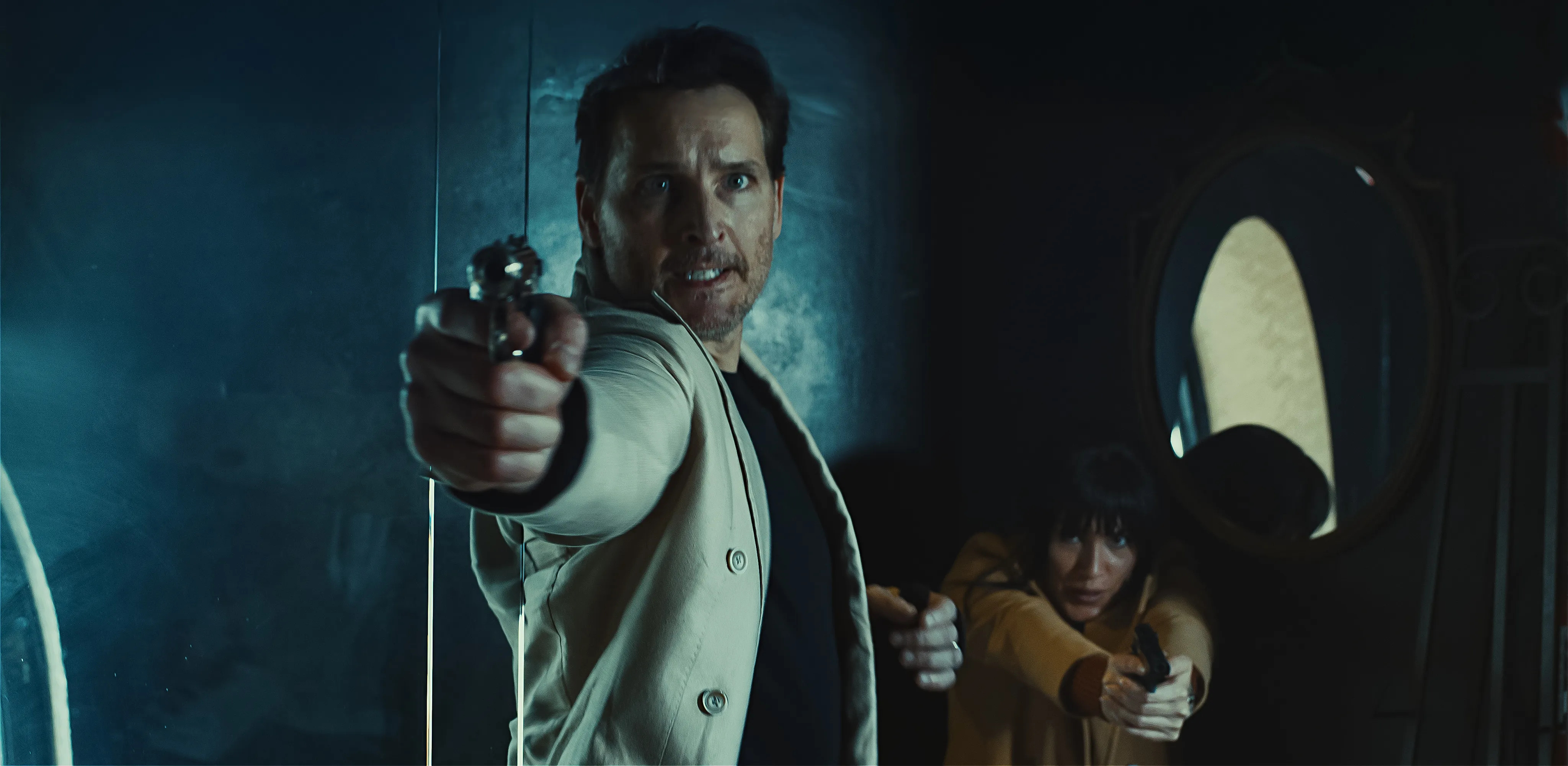
Godzilla Minus Zero achieved early what many sequels fail to do: it continued the story of Minus One logically and interestingly! Sure, some may feel that the “he’s still alive” reveal is cheap, but the speculative sci-fi the film used to back it up was pretty sound. Let us not forget Godzilla was born from nuclear bombs; being able to do some weird things biologically is to be expected. I loved seeing so many characters from Minus One return, including my favorite, Dr. Noda, and their development from the first film—especially Noriko’s—felt natural as well. One of the best aspects of Minus One was, surprisingly, the human characters, and Minus Zero continued to endear us to them. Between Koichi and Noriko’s family (and some very loud crying from Akiko) and the wartime trauma many of the characters were fighting, this ragtag team was so easy to root for.
Besides the obvious amazing action (which I’ll get to in a minute), I continued to love the emotional side of these new Godzilla movies. They’re able to affect me so much, I think, because their central characters make real, high- risk sacrifices. As a viewer, you really don’t know who’s going to survive, and whose selfless decision is actually going to cost them their life. On that note (spoiler ahead), I can’t believe they killed off Dr. Noda! If they ever make more of these (they should), he’ll be sorely missed.
I was also quite captivated by the political complications in this story, which I don’t remember being as prevalent in Minus One. I didn’t know anything about Godzilla prior to seeing Minus One in 2024, like how he was originally a metaphor for the WWII nuclear bombs. Knowing that now, his entanglement with postwar Japan is more compelling, especially in Minus Zero, where the question was: in the wake of World War II, how should Japan proceed with the US? The film’s ending made a lot more sense with that background knowledge in mind. Japan valued Godzilla alive more, not only because his escape ensured that he wouldn’t be experimented on by the US, but because he was a savior of sorts for Japan. Even amongst all the pain and destruction, Godzilla, in a way, belonged to them.
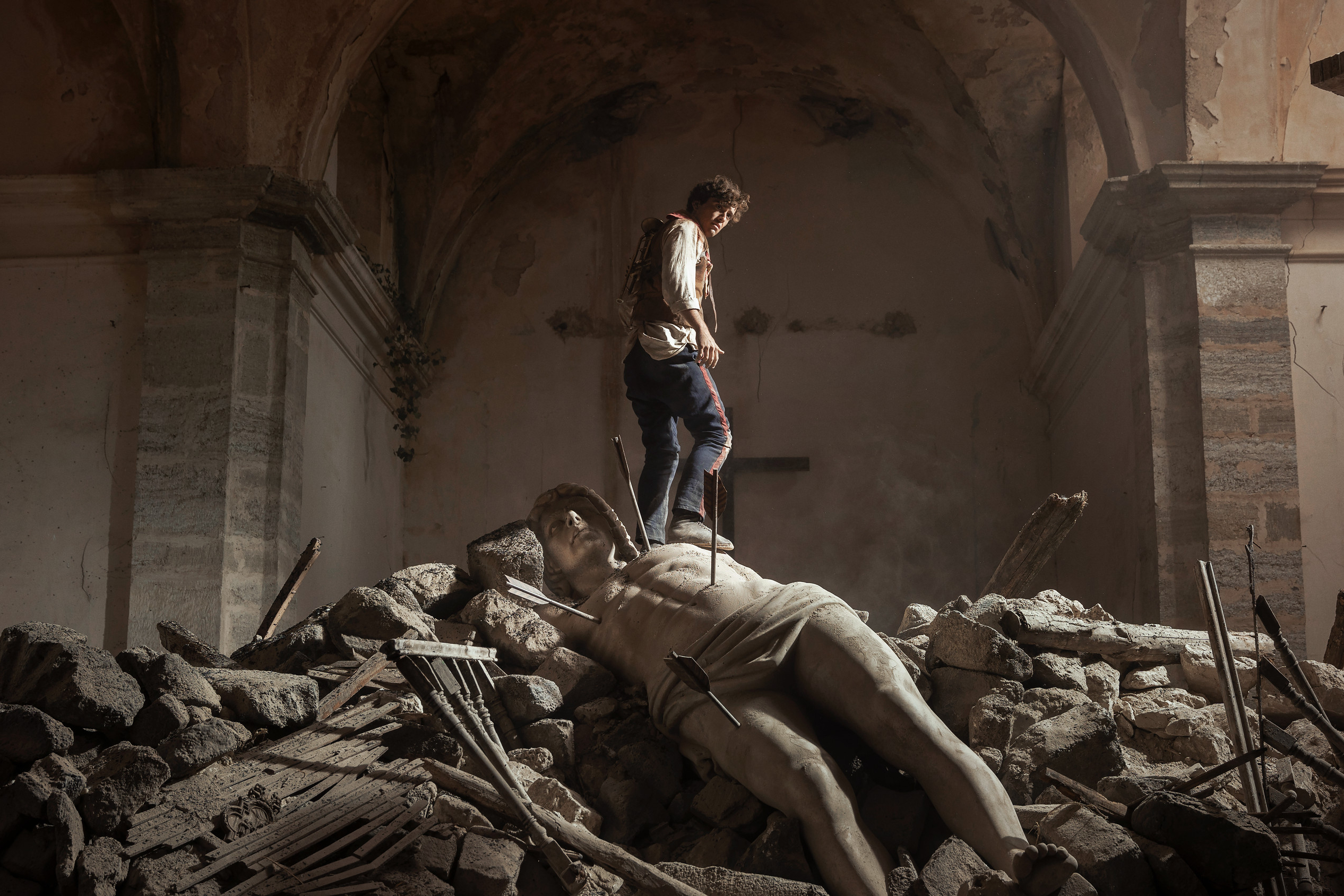
Finally—and you all knew it was coming—Minus Zero was a technical masterpiece. I have no idea how this movie’s budget was $20 million (or how Minus One’s was only $10 million) when the visuals were this amazing. Godzilla and King Ghidorah looked sensational and so scary, and their attacks and combat were spectacular. The atomic beam will never not be cool, but boy, did Ghidorah introduce some really cool moments. There were a few times that the lightning went right to the camera; I was speechless. I’d have to watch it again to decide, but the best scenes visually would have to be the dogfight with Ghidorah and the New York scene. I wasn’t ready for that!
I’m not sure how much love Godzilla Minus Zero will get at the Oscars outside of Best Visual Effects, but can we talk about Naoki Sato’s score? That was one of the best, most dramatic, most iconic modern scores I’ve heard! I know that claim sounds crazy, but I’ve been thinking about the Ghidorah theme nonstop since I saw the movie. The score is all over my Instagram, too, and I never skip a video with it. We so rarely get such over-the-top, old Hollywood-style scores like this now, with the swells and the sweeping violins and the instantly recognizable leitmotifs. Naoki Sato’s score absolutely rocked, and if it was my choice, you’d see him with an Oscar nomination in March.
I know the heaps of praise I have for Godzilla Minus Zero would make you think it’s one of the best movies of the year—and it likely is—but I wouldn’t venture to say that it was better than Minus One. Godzilla Minus One was more surprising, Godzilla felt more imposing, and the story was more original. What I do know about the Godzilla movies prior to Yamazaki is that there was a lot of “Godzilla Vs. Monster-of-the-Week”, and Minus Zero eventually fell into that trope. Was it still super entertaining? Yes—that’s why the last 70 years of Godzilla movies used that idea. The more human-focused story of Minus One beat out the sequel, but I still had a blast with Godzilla Minus Zero. Japan continues to put America to blockbuster shame, and I’ll be banging the drum for Godzilla Minus Zero come awards season. Not just for Visual Effects, though; let’s get an International Feature or Original Score nomination!

Godzilla Minus Zero
Jaw-dropping visuals, a swelling and nostaglic score, and another grounded and human story from Takashi Yamazaki made Godzilla Minus Zero one of the best sequels of the 2020s, and a raucously good time at the movies.




Leave a Reply